
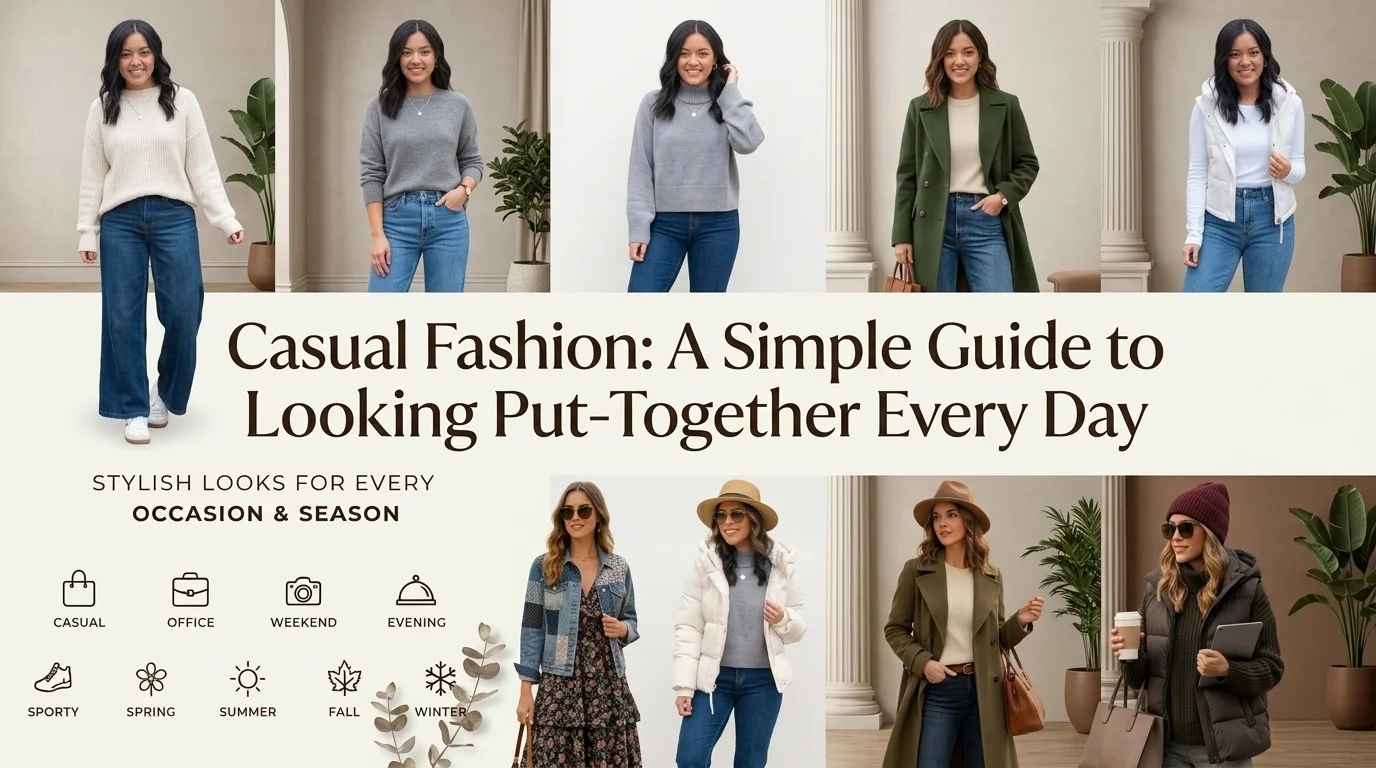
Most of us get dressed in casual clothes at least five days a week. Jeans, a tee, sneakers, done. And yet a lot of people stand in front of the mirror feeling like something is off. The clothes are clean. They’re comfortable. But the outfit looks like it happened by accident.
That’s the odd thing about casual fashion. A suit comes with built-in structure, and a good tailor does half the work for you. Casual clothing has no such safety net. You mix and match everything yourself, so small choices show up more.
The good news is that casual style follows a handful of simple principles. Once you know them, getting dressed gets faster and the results get better. In this guide you’ll learn what
casual fashion actually means, the rules that make casual outfits look intentional, the staples worth owning, outfit formulas for men and women, how to adjust for the seasons, and where your haircut fits in.
What Is Casual Fashion?
Casual fashion is everyday clothing chosen for comfort and ease rather than for a formal dress code. Think jeans, t-shirts, sweatshirts, knitwear, relaxed trousers, simple dresses and sneakers. It’s what you wear to run errands, meet friends, travel or spend a weekend afternoon out.
The tricky part is that “casual” covers a huge range. One retailer’s guide describes it as a style that blends comfort with polish and works across age groups, while a men’s style publication points out that the first rule of casual dress is that there are no rules, which is exactly why people struggle with it.
Casual vs. Smart Casual vs. Business Casual
These three terms get mixed up constantly, so here is a simple way to separate them.
Casual: comfort-first clothing for informal settings. A pair of comfortable jeans and a basic tee is the classic example.
Smart casual: the same relaxed feel, but sharper. Think a blazer or good trousers with a simple shirt or polo. It suits semi-formal events and many work meetings.
Business casual: a workplace version that sits a step above everyday casual wear, usually without a full suit.
A quick test: if you could comfortably wear the outfit to a backyard barbecue and a casual lunch, it’s casual. If you’d also feel fine in a client meeting, it has moved into smart casual territory.
Where Casual Fashion Style Came From
Casual Fashion dress for men is often traced back to the 1950s, when young people in the US and UK pushed away from stiff formal clothing. Denim played a major part. Jeans began as workwear in the late 19th century, then became a symbol of casual, anti-formal dressing after the Second World War, a point made by a Levi’s design executive quoted by FashionBeans. Denim has been a backbone of casual wardrobes ever since, which is why we still build so many casual outfits around it.
The Rules Behind Good Casual Fashion Style
You don’t need a stylist. You need a few reliable principles. These five come up again and again in style guidance, and they work for nearly everyone.
Rule 1: Fit Matters More Than Price
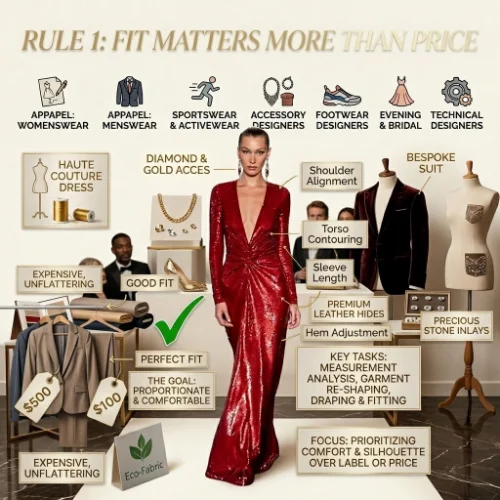
Fit is the single biggest upgrade you can make. A $30 tee that skims your shoulders and ends at the right spot on your hips will look better than an expensive one that’s too big or too tight.
Both slim and relaxed fits are in style right now, so the question isn’t which is “correct.” It’s whether the garment looks like you chose that shape on purpose. Check the shoulder seams, the sleeve length and where your trousers break at the shoe.
A useful habit: if you wear a loose top, balance it with something more fitted below, and the other way around. That contrast keeps oversized pieces from swallowing you.
Rule 2: Wear What You’re Comfortable In
Trend-heavy pieces only work if you feel like yourself in them. If you’re constantly tugging at a jacket or second-guessing a pair of shoes, it shows. Comfort isn’t just physical here. It’s confidence.
Rule 3: Keep the Palette Simple
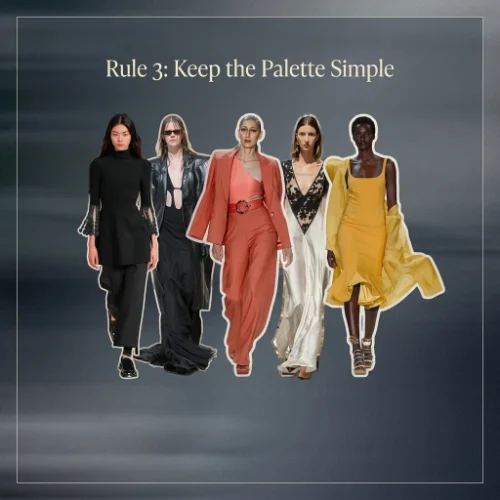
Neutrals are the foundation of casual outfits: white, black, grey, navy, beige, olive and denim blue. They mix without effort. A good starting point is to build most outfits from two or three colors, then add one brighter piece if you want some personality.
Rule 4: Pay Attention to Fabric and Details
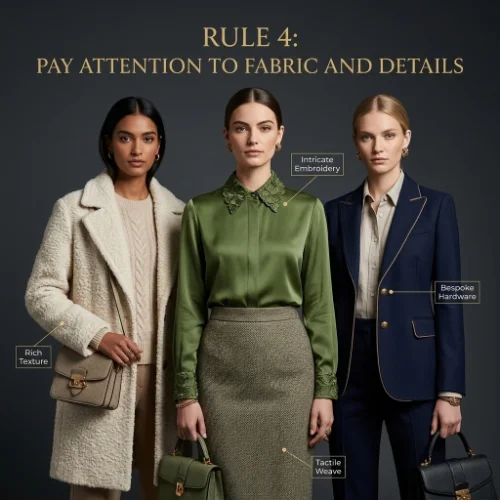
Casual doesn’t mean careless. Soft cotton, linen, good knitwear and sturdy denim all hold their shape and look better after repeated wear. Then there are the small choices that change a look completely: tucked, half-tucked or untucked shirt, rolled sleeves or not, cuffed jeans or full length. These tweaks cost nothing.
Rule 5: Use One Trend Item at a Time
Trends are fun, but they fade. A sensible approach, suggested by FashionBeans, is to include only one trend-driven piece per outfit and keep everything else classic. That could be a bold cap or a statement bag. It lets you stay current without rebuilding your wardrobe every season.
The Casual Fashion Wardrobe Staples Worth Owning
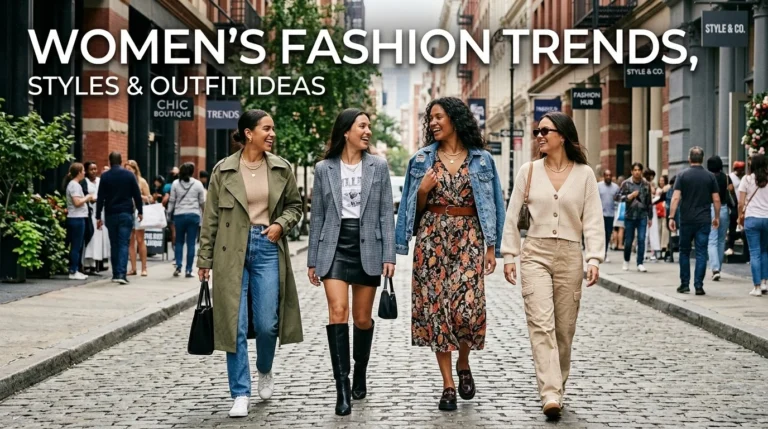
You can build dozens of casual outfits from a small group of pieces. This is the idea behind a capsule wardrobe: fewer items, more combinations. 👉 Read more: Women’s Fashion Trends
The Core Pieces
Well-fitting jeans in a dark or mid wash. Easy to dress up or down.
Plain t-shirts in white, grey and black, in good quality cotton.
A sweatshirt or fine knit for layering over a tee.
A shirt, such as an Oxford button-down or a relaxed linen shirt.
A lightweight jacket, like a denim jacket or bomber.
Clean, simple sneakers. White or off-white is the most versatile.
Relaxed
Pieces That Add Variety
A casual dress or skirt in a soft, breathable fabric.
A simple backpack or tote that works for work, weekends and travel.
A watch, a plain necklace or other understated accessories.
A tip many people find helpful is to create a personal “uniform”: a combination you know works, like dark jeans, a white tee and a jacket. You can swap pieces in and out, but you always have a reliable starting point on busy mornings.
Casual Fashion Outfit Ideas for Men and Women
Formulas make getting dressed easier. Here are simple combinations you can adapt to your own wardrobe.
Everyday Casual Outfits for Men
The classic: dark jeans, a plain white tee, a lightweight jacket and white sneakers.
The relaxed layer: a grey sweatshirt over a collared shirt, with chinos or straight jeans.
The weekend look: a knitted polo or striped long-sleeve tee, relaxed trousers and clean sneakers.
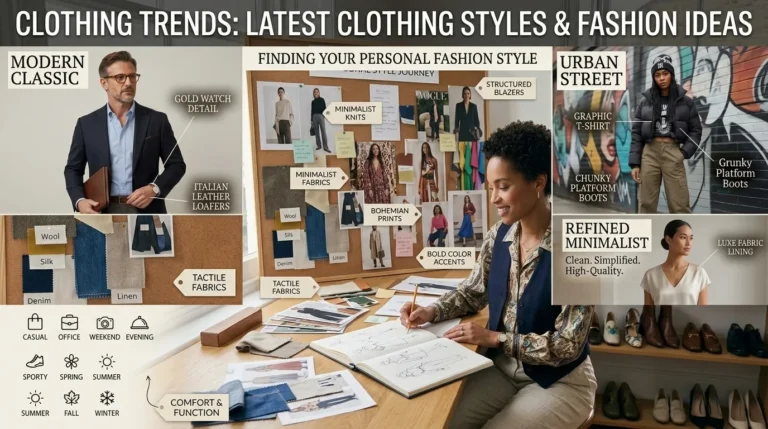
The upgrade: a casual blazer over a tee with dark jeans, which gets you into smart casual territory with very little effort. 👉 Read more: Clothing Trends
Everyday Casual Fashion Outfits for Women
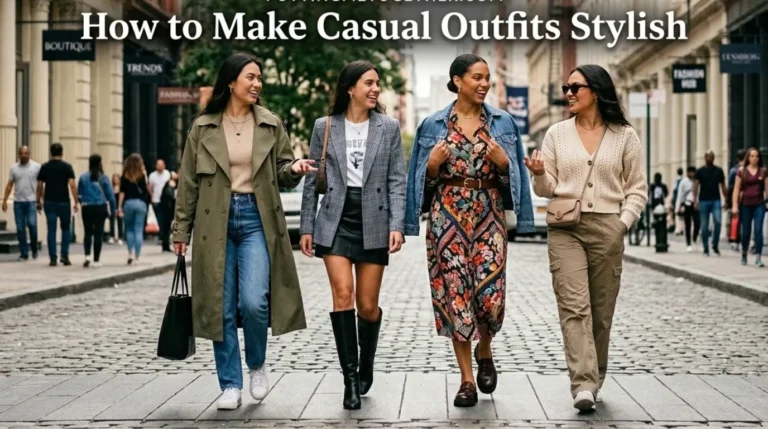
The easy basic: straight or wide-leg jeans, a fitted tee or tank and sneakers or flat sandals.
The soft neutral: a knit top or cardigan, relaxed trousers and a simple bag.
The dress and sneakers: a minimal everyday dress with sneakers and a denim jacket.
The polished casual: a blazer over a basic top with comfortable trousers, suitable for the office or a dinner out.
How To Follow Fashion Trends Without Losing Your Style
Following Casual Fashion trends right now does not mean copying everyone else. Your personal style should always come first.
You can add small trendy pieces to your wardrobe while keeping your own personality. A new color, accessory, or clothing item can completely change your look.
The goal of fashion is to feel comfortable, confident, and happy with what you wear.
How to Use These Formulas about Casual Fashion
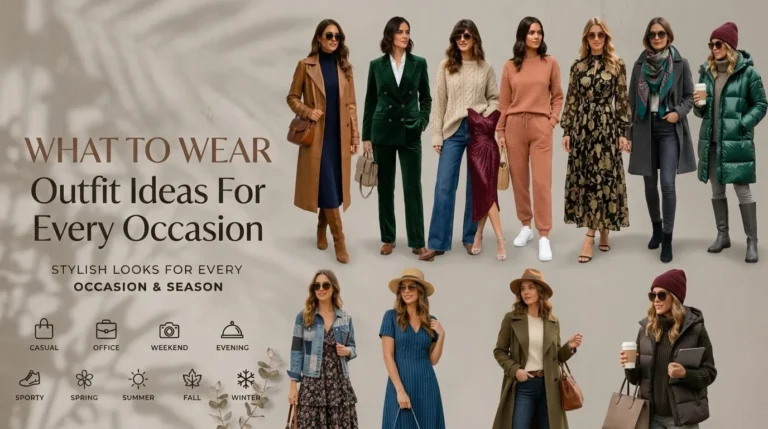
Think of each outfit as four slots: a top, a bottom, a layer and shoes. Choose one neutral for most slots, add texture in one, and finish with a single accent. That’s it. You can create a week of different casual outfits from the same dozen pieces. 👉 Read more: Best Outfit Ideas
How to Adjust Casual Fashion Outfits by Season
The United States has very different climates, so the same outfit won’t work in Minneapolis in January and Phoenix in July. The structure stays the same. The fabrics change.
Spring: Light layers like a denim jacket or overshirt, long-sleeve tees and sneakers.
Summer: Breathable cotton and linen, shorts or lightweight trousers, simple sandals or low-profile sneakers.
Fall: Knitwear, sweatshirts, a bomber or field jacket and boots or sneakers.
Winter: Warm base layers, thick knits, a proper coat and weather-appropriate shoes. Keep the shapes simple so you don’t look bulky.
Layering is the skill that ties it all together. A tee, a knit and a jacket let you add or remove pieces as the temperature changes during the day.
Where Your Haircut Fits Into Casual Fashion Style
Clothes are only part of how an outfit reads. Hair and grooming do a lot of the work in a casual look, and it’s often the cheapest upgrade available.
A few general guidelines can help, though none are strict rules:
Keep it tidy at the edges. Even a relaxed hairstyle looks more intentional with clean lines around the neckline and ears.
Match the effort level. A casual outfit pairs well with a haircut that is easy to style in a couple of minutes, such as a textured crop, a classic taper or a soft, natural length.
Consider your hair type and face shape. A good barber or stylist can tell you which cuts suit your hair texture and growth patterns. Bring photos and ask what’s realistic for your hair.
Maintain it. A great cut that has grown out for eight weeks can undo a good outfit.
You don’t need a complicated routine. A decent haircut, a little product if you use it and neat grooming make everything else you wear look better. 👉 Read more: Celebrity Style Inspiration
Common Casual Fashion Fashion Mistakes to Avoid
Buying trends before basics. Get the foundation right first.
Ignoring fit. Clothes that are too baggy or too tight look sloppy no matter the brand.
Too many statement pieces. One focal point is enough.
Wearing worn-out basics. Faded, stretched or stained tees pull down the entire outfit.
Forgetting shoes. Scuffed or mismatched shoes can undermine a good look.
Overthinking it. Casual style should feel easy. If an outfit takes an hour, simplify it.
Final Thoughts About Casual Fashion
Casual fashion isn’t about having more clothes or following every trend. It’s about making a few smart choices: clothes that fit, a simple palette, quality basics and one or two details that show you paid attention. Add a clean haircut and shoes in good shape, and even the simplest outfit looks deliberate.
Try this: pick one outfit formula from this guide and wear it this week. Notice what feels right, adjust the fit or colors, and build from there. Within a month, you’ll have a handful of casual outfits you reach for without thinking, and that’s the real goal.
2 Comments