
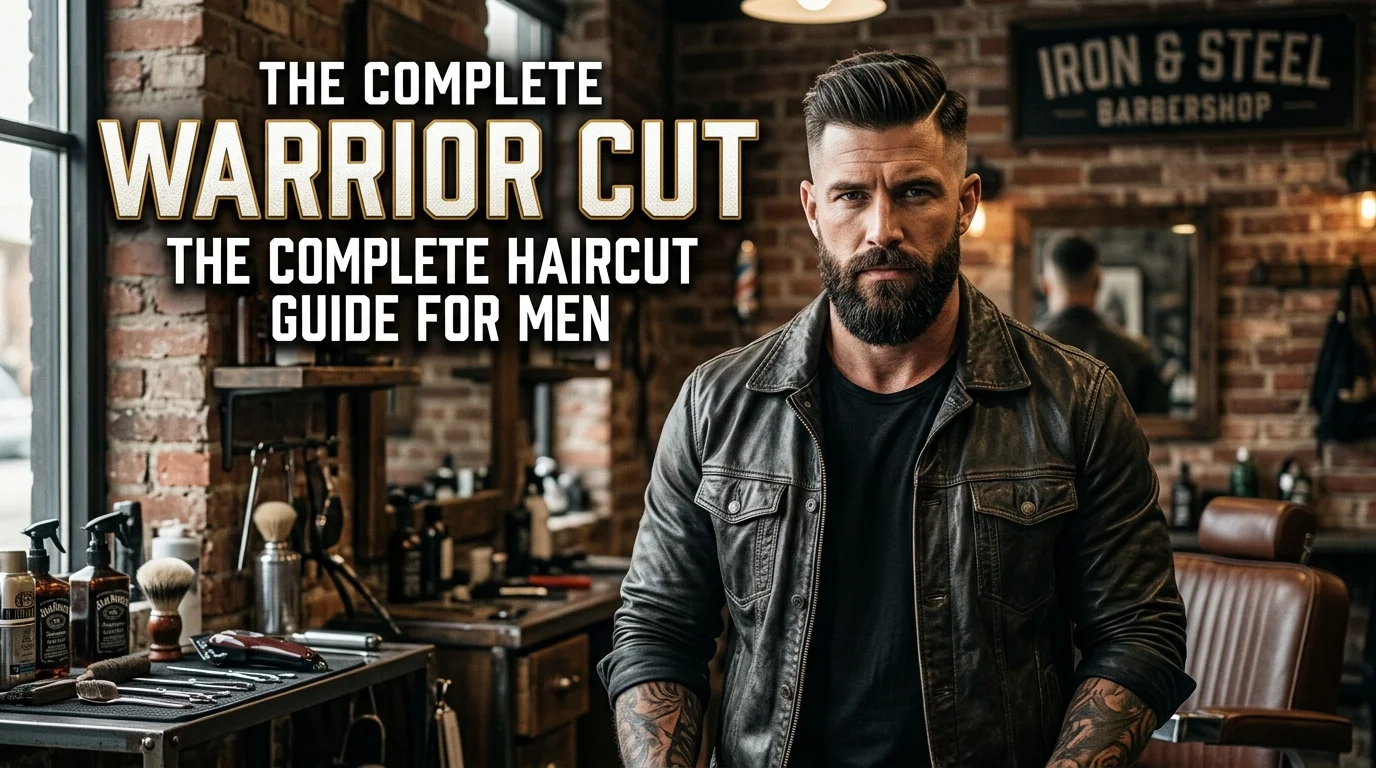
You have probably seen it on your feed. A short, messy, textured top with clean sides that looks like the owner just woke up and still looks great. That is the warrior cut, and it has become one of the most searched men’s haircuts online.
In this guide, you will learn what a warrior cut is and where it came from. You will also see the best variations, find out which hair types and face shapes suit it, and get clear steps for asking your barber and styling it at home.
What Is a Warrior Cut Haircut?
A warrior cut is a short to medium-length men’s haircut with a textured, slightly messy top and shorter sides. The top is left a little longer so it can be tousled in any direction. The sides are usually tapered or faded so the shape stays neat.
The look sits between rough and clean. It is not a strict business cut, and it is not a shaggy grown-out mess either. That balance is why so many men like it.
Key Features of the Warrior Cut Hairstyle
Most versions share a few things. The top is roughly two to four inches long and cut with choppy layers for texture. The sides are shorter, and the back is blended in without a harsh line. The finish is matte and natural, not shiny or slicked down.
Warrior Cut vs. Similar Haircuts
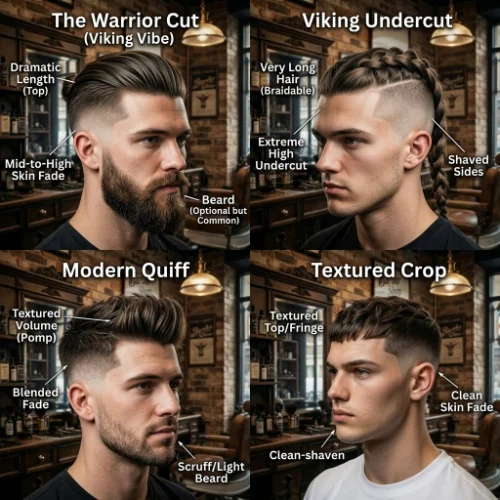
People often mix this style up with others, so here is a quick way to tell them apart.
Mod cut: It has a more structured, forward-brushed fringe. The warrior cut is looser and messier.
Textured fringe: It usually has a neat, straight-cut front. The warrior cut has uneven, choppy ends.
French crop: It is very short on top, with a blunt fringe. The warrior cut keeps more length.
Crew cut: It is short and uniform all over. The warrior cut is longer and has more movement.
Mullet: It has long hair at the back. A warrior cut keeps the back short and blended.
Where Did the Warrior Cut Come From?
Most people connect this style with Brad Pitt. In the late 1990s, he wore a short, spiky, slightly rough look as Tyler Durden in Fight Club. It looked effortless, and it stuck in people’s minds for decades.
That is why you will often see searches like “Brad Pitt warrior cut” and “Tyler Durden warrior cut.” Barbers say clients still bring in photos from that era.
Social media gave the style a second life. Short videos and reference photos made it easy for young men to find, copy and show their barbers. Actors with similar textured cuts, such as Austin Butler, helped keep the trend going.
Popular Warrior Cut Variations
One of the best things about this style is how easy it is to adjust. You can keep it short or let it grow, and you can choose the sides that suit you.
Warrior Cut With a Low Taper
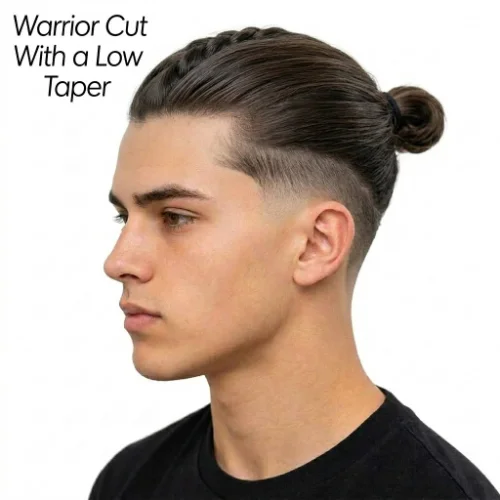
A low taper is one of the most requested options. The hair gets shorter gradually around the ears and the back of the neck, but the sides stay fairly full. This gives a soft, natural look that works at school, in the office and on weekends.
If you want something clean without a dramatic change, ask for a warrior cut with a low taper.
Warrior Cut Fade
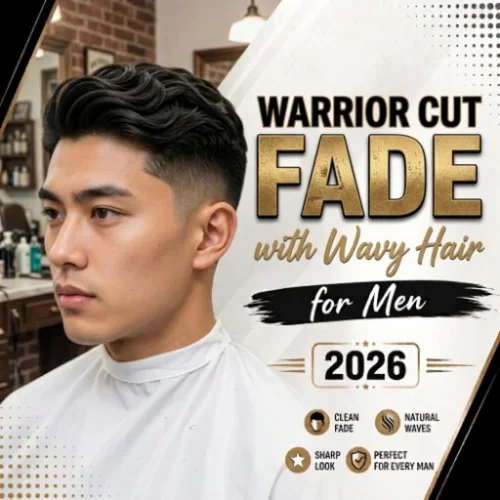
A fade cuts the sides much shorter, sometimes down to the skin. The contrast with the textured top makes the style look sharper and more modern. Popular choices include:
Low fade: It starts near the bottom of the head and stays subtle.
Mid fade: It starts around the temple level and gives a bolder shape.
Burst fade: It curves around the ear and leaves more length at the back. It pairs well with a longer top.
Drop fade: It dips down behind the ear for a rounded finish.
Warrior Cut No Fade
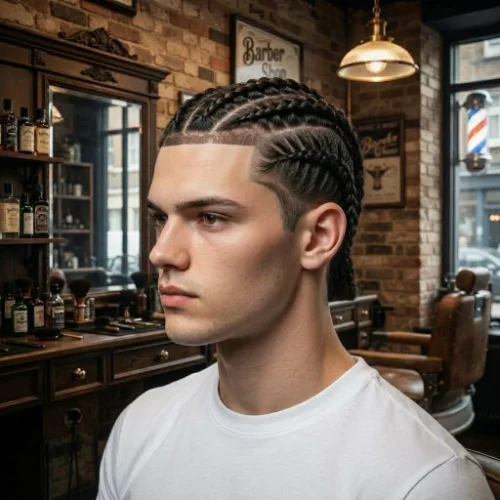
Not everyone wants shaved sides. A warrior cut with no fade keeps the sides scissor-cut and slightly longer. It looks softer and works well if you want a low-maintenance style. The only catch is that it grows out faster and looks messy sooner.
Short Warrior Cut vs. Long Warrior Cut
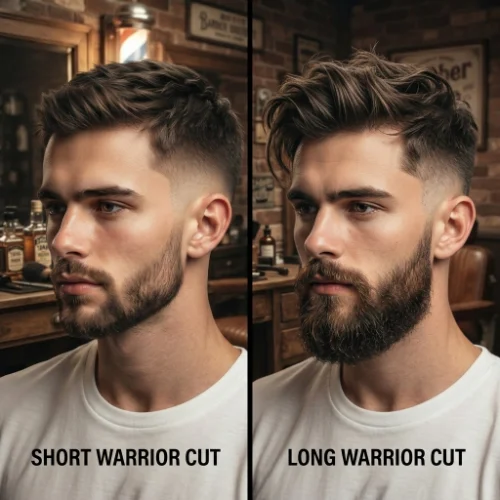
A short warrior cut keeps the top at about two inches. It is quick to style and good for thin or straight hair. A longer warrior cut gives you three to four inches or more, with extra movement and a more relaxed feel. Grown-out versions can look great, but they need regular trims so they do not turn shapeless.
Warrior Cut Mullet
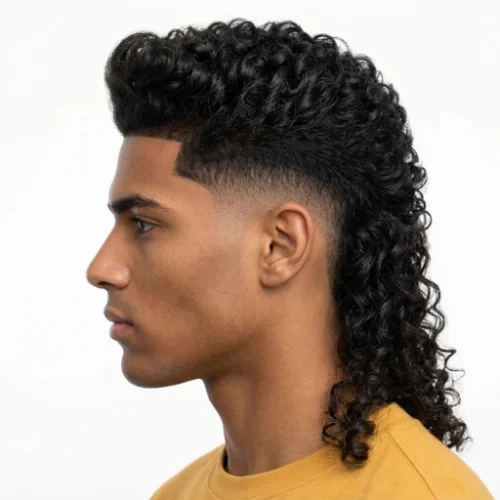
The modern mullet has become popular alongside this style. Some men mix the two by keeping the textured top and leaving the back a bit longer. If you like the idea, tell your barber you want a small hint of length at the back, not a full mullet.
Is the Warrior Cut Right for Your Hair Type?
This cut is flexible, but your hair type changes how it looks and how much work it takes.
Warrior Cut for Straight Hair
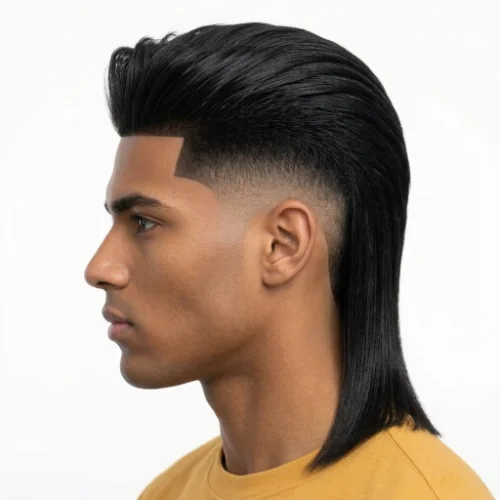
Straight hair, including most Asian hair, can look flat if it is cut too short. A warrior cut for straight hair works best when the top is layered and a little longer. Ask your barber to add texture with point cutting or thinning shears. A bit of clay or sea salt spray gives the hair grip and makes it stand up.
Warrior Cut for Wavy Hair
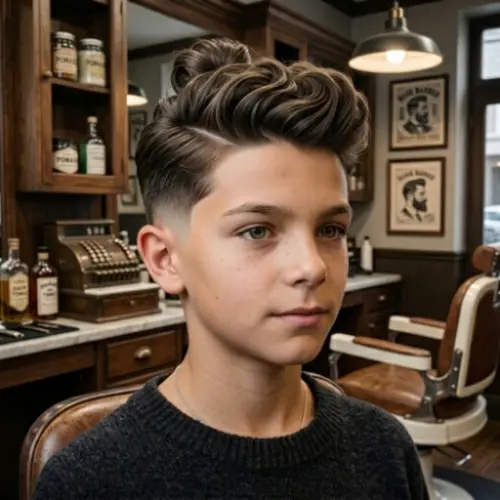
Wavy hair is one of the easiest types to work with. The natural bend gives the cut movement without much effort. Add a light cream or paste, scrunch it, and let it dry. Wavy hair often looks good with very little product.
Warrior Cut for Curly Hair
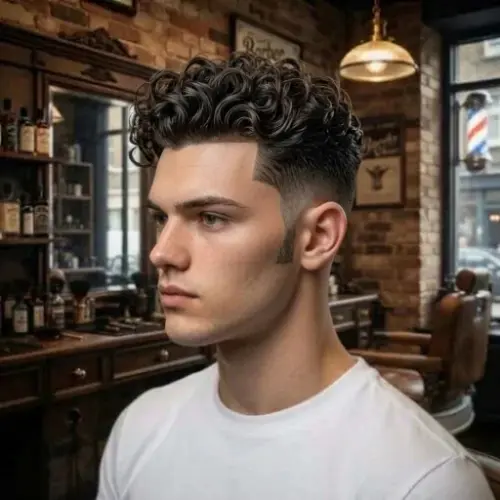
Yes, you can get a warrior cut with curly hair. The curls give the top a lot of volume and texture. Ask your barber to keep enough length so the curls do not spring up too short. Use a curl cream and avoid brushing the hair when it is dry.
Thick Hair vs. Thin Hair
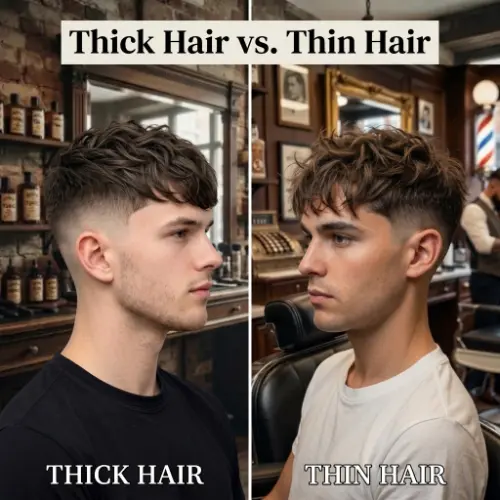
Thick hair holds the shape well, but it may need thinning so it does not look bulky. Thin hair can still work. A good barber will add layers and keep the sides tight so the top looks fuller. A matte powder or light clay will add volume.
Which Face Shapes Suit the Warrior Cut?
Most face shapes can pull off a warrior cut if the barber adjusts the length and height.
Oval face: This is the easiest face shape. Almost any version of the cut works.
Square face: The messy top softens a strong jawline, so this is a great match.
Round face: Keep the sides short and build some height on top. This makes the face look longer.
Diamond face: Keep the top fuller and leave some texture near the forehead to balance the cheekbones.
Oblong face: Avoid too much height. A shorter, forward-textured top works better.
If you have a big forehead, a slightly longer, forward-swept fringe can cover some of it. If you have a receding hairline, keep the front choppy and a little longer so it blends in naturally.
How to Ask Your Barber for a Warrior Cut
The words “warrior cut” mean slightly different things to different barbers, so do not rely on the name alone. A clear request saves you from a haircut you did not want.
Bring photos. Show two or three pictures from the front, side and back. Reference photos of Brad Pitt or similar modern examples help a lot.
Say how short the sides should be. Mention a taper, a low fade, a mid fade or no fade at all. Use guard numbers if you know them.
Describe the top length. Say something like “about three inches on top with a lot of texture.”
Ask for a blended back. This avoids a sharp line at the neckline.
Mention how you style your hair. If you only use your fingers and a bit of clay, say so. A good barber will cut for that.
How to Style a Warrior Cut at Home
This is not a high-maintenance haircut, but a few small steps make a big difference.
Best Products for a Warrior Cut
Pick a matte product. Shiny gel or heavy pomade will make the cut look too neat and wet.
Clay: It gives strong hold and a natural matte finish. It suits thick or straight hair.
Paste: It gives medium hold and a bit more flexibility.
Sea salt spray: It adds grip and texture before you apply anything else.
Texture powder: It adds volume for thin hair.
Step-by-Step Styling
Start with towel-dried hair, then blow-dry it. Use your fingers to lift the hair upward and forward.
Rub a pea-sized amount of clay or paste between your palms until it warms up.
Work it through the hair from back to front, using your fingertips.
Twist and pinch a few pieces on top to create that choppy look.
Stop when it looks good. Over-styling is the most common mistake.
The look is meant to seem a little unplanned. If it looks too perfect, mess it up with your hands.
How to Keep Your Warrior Cut Looking Fresh
Maintenance depends on your sides. A fade needs a touch-up every three to four weeks to stay sharp. A taper or a no-fade version can usually wait four to six weeks.
Wash your hair two or three times a week with a gentle shampoo. Do not use too many products, because buildup makes the hair heavy and flat. If you are growing it out, book a trim every couple of months so the layers keep their shape.
Final Thoughts on the Warrior Cut
The warrior cut has stayed popular because it is simple and works on many men. It looks good with a taper or a fade, on straight, wavy or curly hair, and on short or longer lengths. It also takes very little time to style.
The key is clear communication. Bring photos, describe the sides and the top, and choose a matte product you like. With a good barber and a few easy habits, you can wear this cut well in 2026 and beyond.